
A solo consultant might use one app for proposals, another for signing, and a third to keep track of client details—while the business email account already includes tools that overlap. The problem is not having several apps. It is paying for several versions of the same job without a clear reason.
Start with the work, not apps
List the recurring jobs your business must handle: publish a service page, collect an inquiry, agree on scope, deliver the work, and send an invoice. Group the jobs that naturally belong together, such as scheduling and client communication, or writing and document storage. This gives you a stack outline without turning a software directory into a shopping list.
For each job, mark what is essential, what can stay manual, and what is already covered by a tool you own. A client tracker in a spreadsheet may be enough when the pipeline is simple; a dedicated system becomes more relevant when handoffs, reporting, or shared access are getting difficult. The ideal user for a paid upgrade is the person encountering that specific limit, not simply someone who has heard of the category.
Look for overlap and friction
Compare the actual workflow across your tools: where does information get entered twice, and where do you lose context when switching apps? Two products may both include forms, but one might connect more cleanly to the calendar or client records you already use. Keep the tool that handles your important handoff well; do not pay for a second one just because its feature page is longer.
Before adding a subscription, try a small, real task with the current setup and the proposed alternative. Note setup time, export options, limits that affect your use, and any extra work needed to keep information in sync. Verify plan details and record the date pricing was checked before making a comparison or recommendation.
Keep the stack easy to change
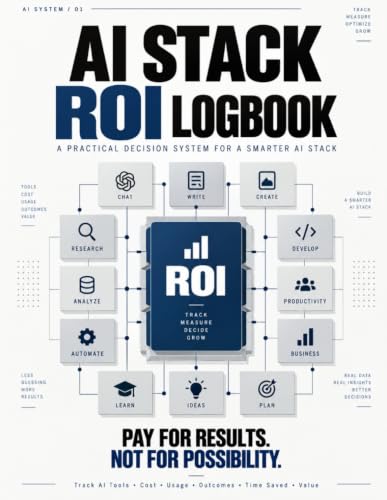
Choose tools that let you export essential records and make it clear who owns the data and account. A low monthly cost is less persuasive if leaving means rebuilding a client list or losing access to working files. Keep a simple inventory of subscriptions, renewal dates, their purpose, and the workflow each one supports.
A budget stack should make sense as a whole: fewer duplicate jobs, manageable handoffs, and clear alternatives when a tool stops fitting. When an article includes affiliate links, disclose that the publication may earn a commission if readers buy through them. The next useful move is not to add an app—it is to identify one recurring friction point and see whether your current stack can resolve it.