An AI writing tool can produce a tidy paragraph in seconds and still leave you checking every claim, rewriting the voice, and fixing details it guessed. That does not automatically make the tool useless. It means the useful question is whether it improves a real part of your writing process, not whether a demo sounds fluent.
Choose a task you repeat
Pick a bounded assignment you already do, such as turning approved notes into a first draft of a product description or shaping a meeting transcript into action items. Use the same source material and instructions each time you compare approaches. Avoid using sensitive client information unless the tool’s data handling and your obligations make that appropriate.
Define what a usable result means before you begin: accurate to the source, in your intended tone, and requiring no more than a reasonable amount of editing. Save the original prompt and the human-edited version. This makes it easier to see whether the tool consistently helps with a particular step or simply produces text that looks finished at a glance.
Track edits and failure points
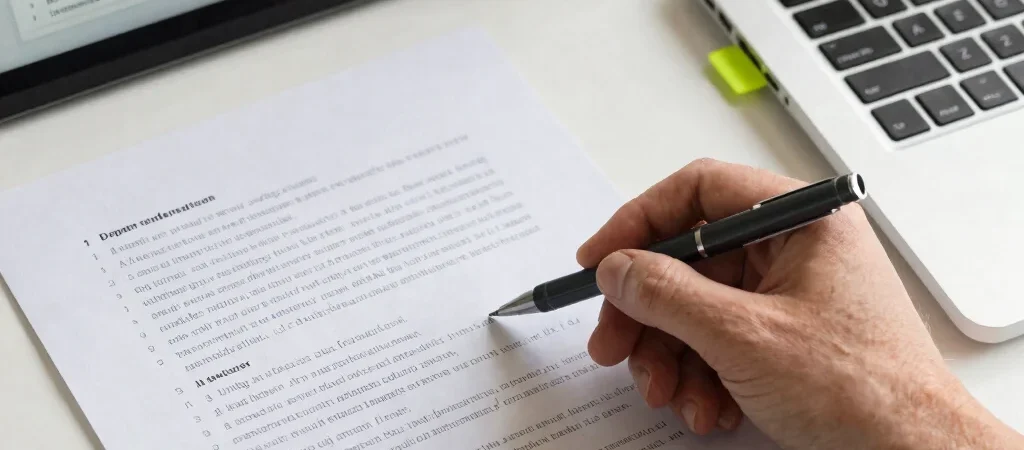
Review the draft for invented specifics, missing context, repeated phrasing, and claims that need verification. Record which corrections you made and where the tool genuinely reduced effort, such as organizing rough notes into a workable outline. One successful output is not enough to establish that a tool fits every task.
Consider the full workflow too: how you provide source material, review the result, move it into your publishing system, and keep a person responsible for final approval. If the tool saves drafting time but adds a separate queue of fact-checking and formatting, that trade-off belongs in the verdict. Label content as tested only if the tool was actually tried using a stated method; otherwise call the discussion researched.
Decide what merits a subscription
Compare the features you would use, access to relevant settings, data controls, and any usage limits against the plan terms available at the time. State the pricing checked date in a review, and revisit it when plans change rather than presenting an old price as current. A free option or an existing writing tool may be a sensible alternative if the paid features do not address a clear need.
The ideal user is someone with a repeatable writing task, source material they can safely use, and time to review the output. The plain-English verdict should name both the task the tool may assist with and the limitations that remain—not promise effortless publishing. If affiliate links appear, disclose that they may earn the publication a commission.